Single-use versus reusable devices: safety, cost and logistics
By Azmed Devices Editorial Team

This article examines the operational and clinical considerations surrounding the selection of single-use versus reusable medical devices in contemporary hospital environments.
Clinical Efficacy and Operational Standards
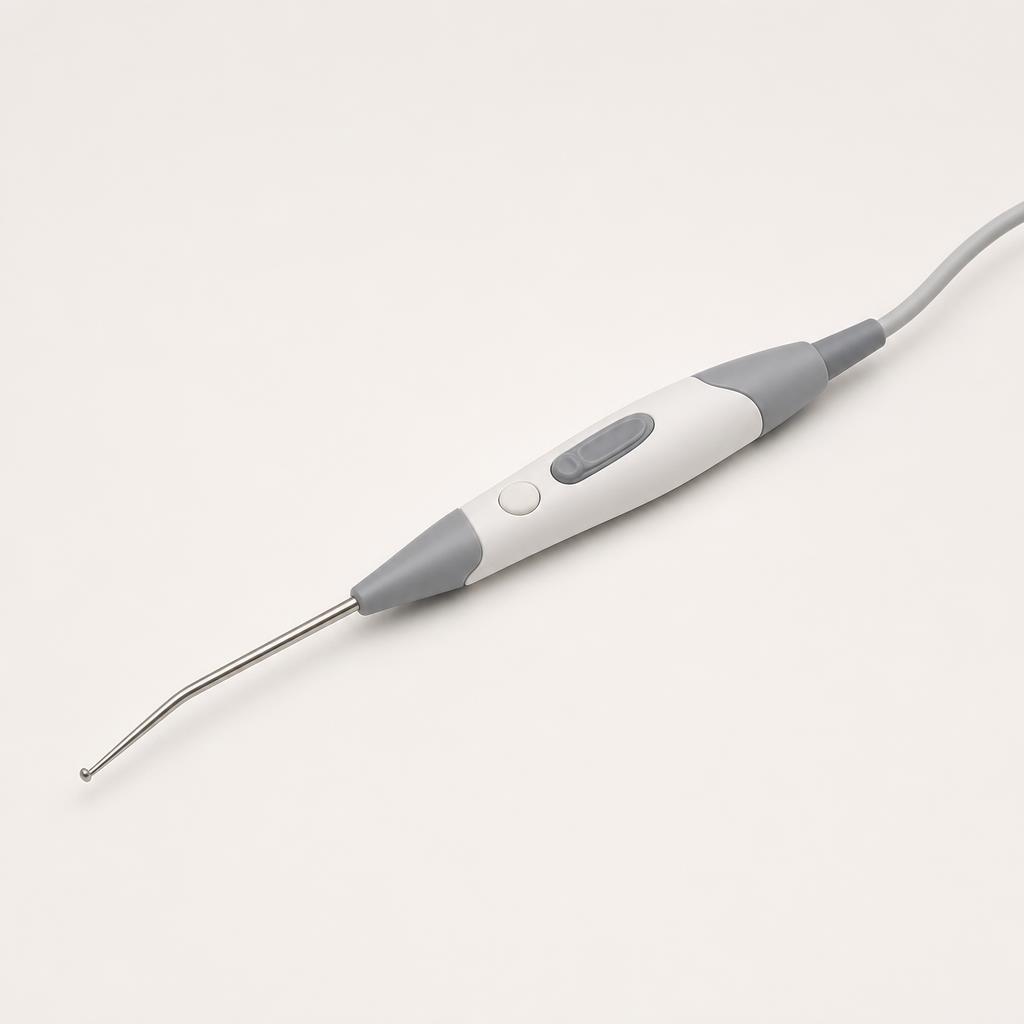
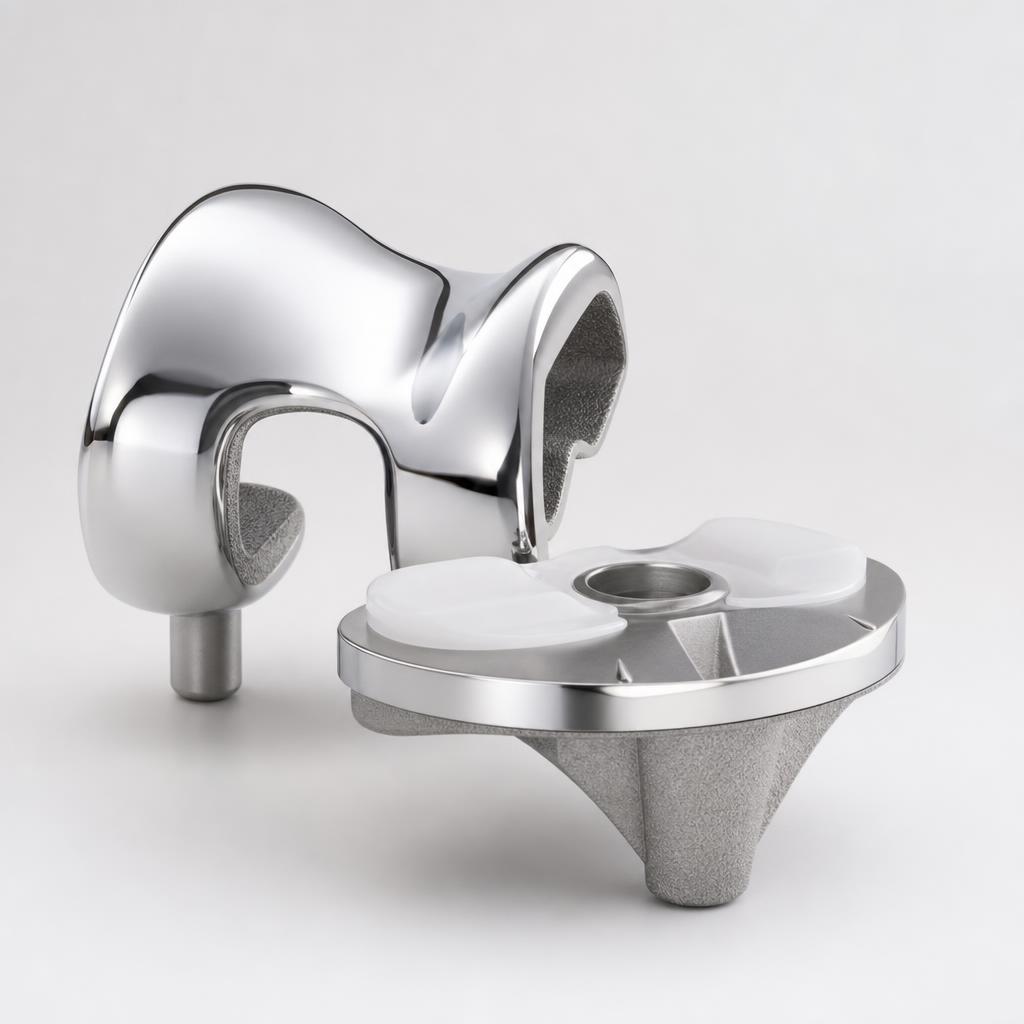
The selection of medical instrumentation remains a fundamental decision for hospital procurement and clinical leadership. In many health systems, clinicians report that single-use devices offer distinct advantages regarding the mitigation of cross-contamination risks. Because these items are manufactured for a single application, they eliminate the variables associated with reprocessing cycles, potentially reducing the likelihood of residual bioburden or mechanical degradation occurring after repeated sterilization. This consistency in performance is often prioritized in departments requiring precise, sterile, and reliable instrumentation, such as neuro-intervention and orthopedic surgery.
Conversely, reusable instrumentation is frequently evaluated based on long-term sustainability and asset management. In many clinical environments, the initial procurement cost of durable, high-grade surgical instruments is distributed over an extended lifecycle. However, this model necessitates robust central sterile supply department (CSSD) workflows to manage cleaning, high-level disinfection, and autoclaving. When assessing these options, hospital administrators generally weigh the tangible costs of sterilization processes, labor, and maintenance against the operational simplicity of single-use consumables.
Strategic Procurement Considerations
Procurement strategies often focus on balancing inventory management with clinical outcomes. Single-use devices generally reduce the complexity of supply chain logistics by removing the need for instrument tracking and sterilization turnaround times. This can be particularly beneficial in high-volume settings where instrument availability directly correlates to procedural efficiency. Azmed Devices can support hospitals by providing comprehensive documentation and training to facilitate the informed selection and implementation of advanced medical technologies.
Ultimately, the shift toward single-use or hybrid models depends on the specific clinical requirements of the facility. Clinicians report that access to consistent, ready-to-use tools enhances procedural safety, while procurement teams must continue to evaluate the broader economic impact of waste management and sterilization infrastructure. By maintaining a clear understanding of the trade-offs between device longevity and immediate clinical readiness, health systems can better align their procurement strategy with the objective of providing high-quality patient care.