Robotics in orthopaedic surgery: where the field is heading
By Azmed Devices Editorial Team

This overview examines the integration of robotic assistance in orthopaedic surgery, focusing on current operational considerations for hospital procurement and clinical teams in the region.
Operational Integration and Precision
Robotic-assisted surgery in orthopaedics is increasingly considered as a tool for precision in joint replacement procedures. In many health systems, these platforms are utilized to assist surgeons with bone preparation and implant alignment. By integrating pre-operative planning software with intra-operative guidance, clinicians often report a higher degree of consistency in executing surgical plans compared to manual techniques. The technology typically relies on infrared cameras and tracked sensors to provide real-time feedback, which may assist in maintaining accuracy during complex anatomical reconstructions.
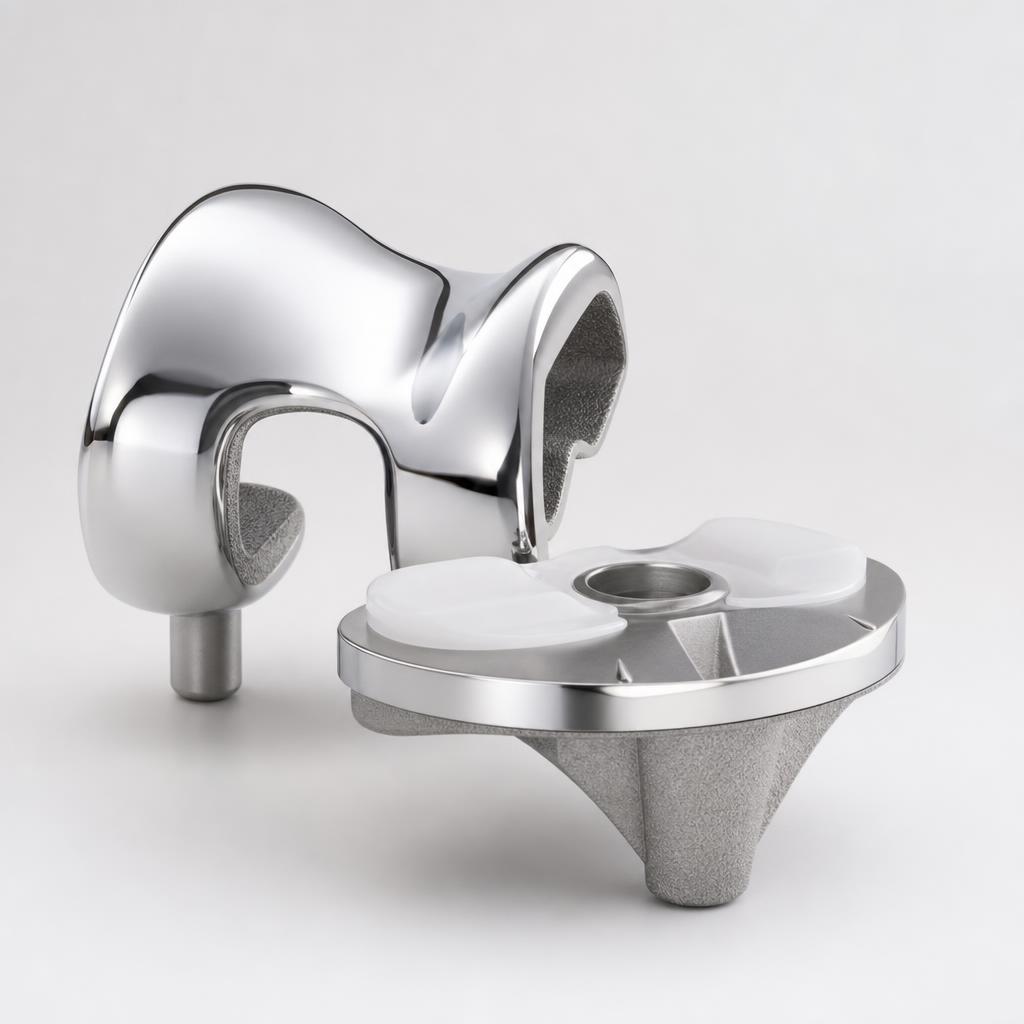
From an operational perspective, the implementation of robotics requires a detailed assessment of existing facility infrastructure. Procurement teams generally evaluate the compatibility of the robotic platform with current orthopaedic implant portfolios, as well as the necessity for specific sterile disposables. Beyond the initial acquisition, hospital leadership often considers the long-term requirements for software maintenance and the recurring costs associated with specialized instruments. These factors are critical to ensuring that the technology remains a sustainable component of the surgical department.
Clinical Workflow and Implementation
The adoption of robotic systems involves a comprehensive training process for surgical teams. Successful integration is frequently linked to a structured education program that covers both the technical operation of the platform and the transition of surgical workflows. Clinicians report that a collaborative approach, involving surgeons, nursing staff, and technicians, is essential for maintaining surgical efficiency and minimizing turnover time between cases. Azmed Devices can support hospitals with documentation and technical training to facilitate this transition.
Ultimately, the decision to incorporate robotic-assisted technology is based on the specific clinical needs of the hospital and its patient population. While the technology offers potential benefits in procedural accuracy, its effective use generally depends on the commitment to consistent staff training and the availability of technical support. As medical technology continues to evolve, hospitals may find that prioritizing modular, scalable systems allows for a more flexible approach to upgrading surgical capabilities in the future.