Negative pressure wound therapy in daily hospital practice
By Azmed Devices Editorial Team
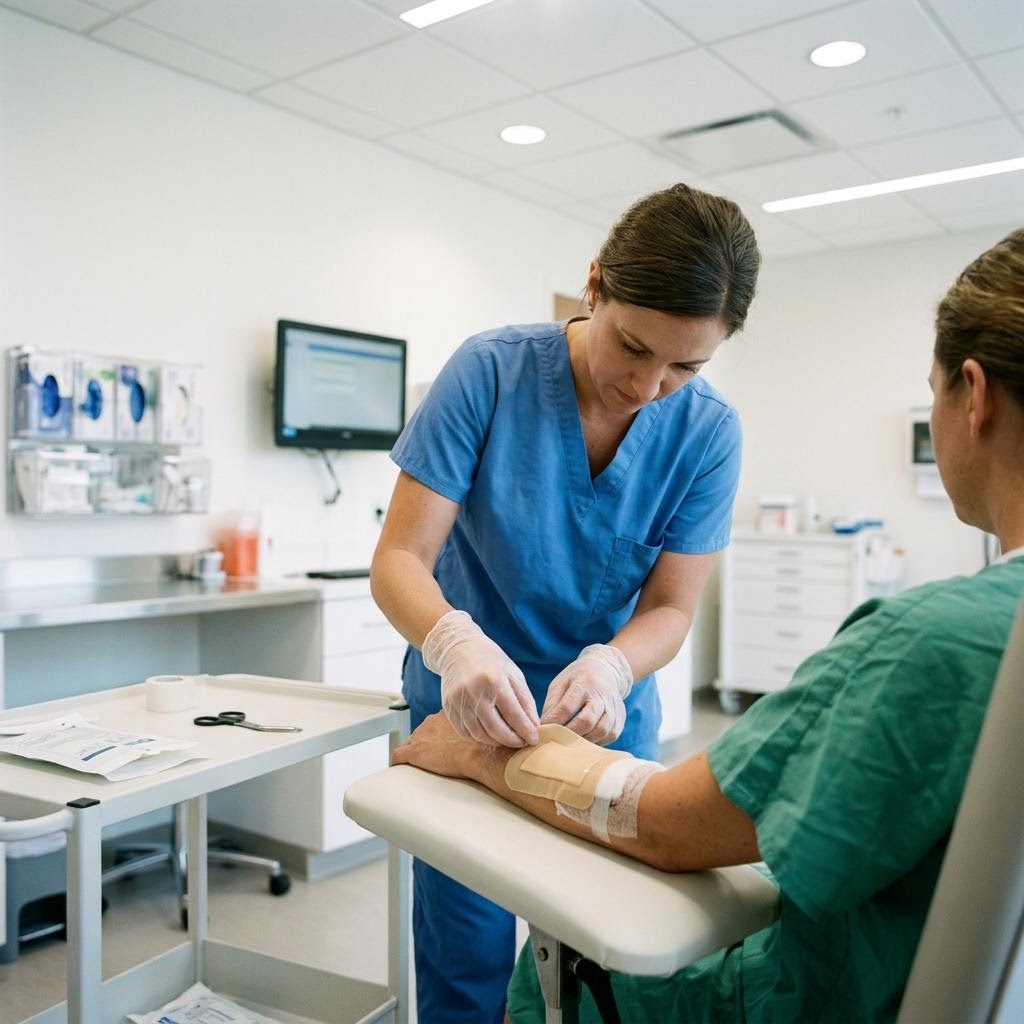
Negative pressure wound therapy (NPWT) provides a structured approach to managing complex wounds by maintaining a controlled local environment. This overview examines clinical applications and operational considerations for hospital settings.
Clinical Mechanisms and Application
Negative pressure wound therapy functions by applying sub-atmospheric pressure across the wound bed, which generally assists in the removal of interstitial fluid and the reduction of localized edema. In many health systems, this mechanism is utilized to promote granulation tissue formation and support the management of exudate in chronic or acute wounds. By stabilizing the wound environment, the therapy aims to optimize conditions for secondary healing processes.
Clinicians often evaluate the appropriateness of NPWT based on the depth, location, and etiology of the wound. Standard practice typically involves securing an airtight seal around the wound site to maintain the required pressure, which facilitates consistent fluid drainage into a collection canister. Proper application is essential, as the integrity of the seal influences the effectiveness of the therapeutic pressure delivery throughout the treatment cycle.
Operational Considerations and Integration
From a procurement and clinical workflow perspective, the integration of NPWT requires consistent access to compatible dressings and reliable device maintenance. In many hospital environments, clinicians report that standardizing the interface between the vacuum unit and the wound dressing simplifies training requirements and reduces potential errors during application. Evaluating the total cost of care often involves looking beyond individual component pricing to assess the impact on dressing change frequency and overall wound closure timelines.
Effective implementation is supported by clear internal protocols and continuous clinical education for the nursing and surgical teams managing these devices. Azmed Devices can support hospitals in Azerbaijan by providing relevant technical documentation and clinical training resources to assist staff in maintaining consistent patient care standards. By focusing on reliable equipment uptime and staff proficiency, institutions generally find that they can more effectively manage the operational demands associated with wound management programs.