A primer on medical device registration and procurement in Azerbaijan
By Azmed Devices Editorial Team
Navigating the medical device landscape in Azerbaijan requires an understanding of clinical requirements and local administrative processes to ensure patient safety.
Principles of Clinical Procurement
In many health systems, the procurement of medical devices follows a structured pathway designed to balance clinical efficacy with supply chain reliability. For hospital clinicians and procurement teams in Azerbaijan, the focus often centers on identifying technology that aligns with local surgical standards while maintaining consistent availability. Clinicians generally prioritize equipment that integrates into existing workflows, as this minimizes the learning curve and supports predictable patient outcomes during procedures.
Effective procurement strategies frequently involve a multi-disciplinary approach. When clinical teams and administrative departments collaborate early in the process, they can better assess the long-term viability of a device. This includes evaluating the technical support available for new hardware and ensuring that inventory levels are sufficient to meet demand. Azmed Devices can support hospitals by providing necessary technical documentation and training for clinicians on new equipment.
Standardization and Supply Chain Reliability
The registration and technical verification of medical devices represent a fundamental aspect of maintaining clinical standards. Across the region, healthcare providers generally seek devices that have been vetted for safety and performance. This process often involves the thorough review of technical dossiers and quality certificates to confirm that the equipment meets intended specifications. By prioritizing high-quality, standardized components, hospitals can reduce the risk of variability in clinical results.
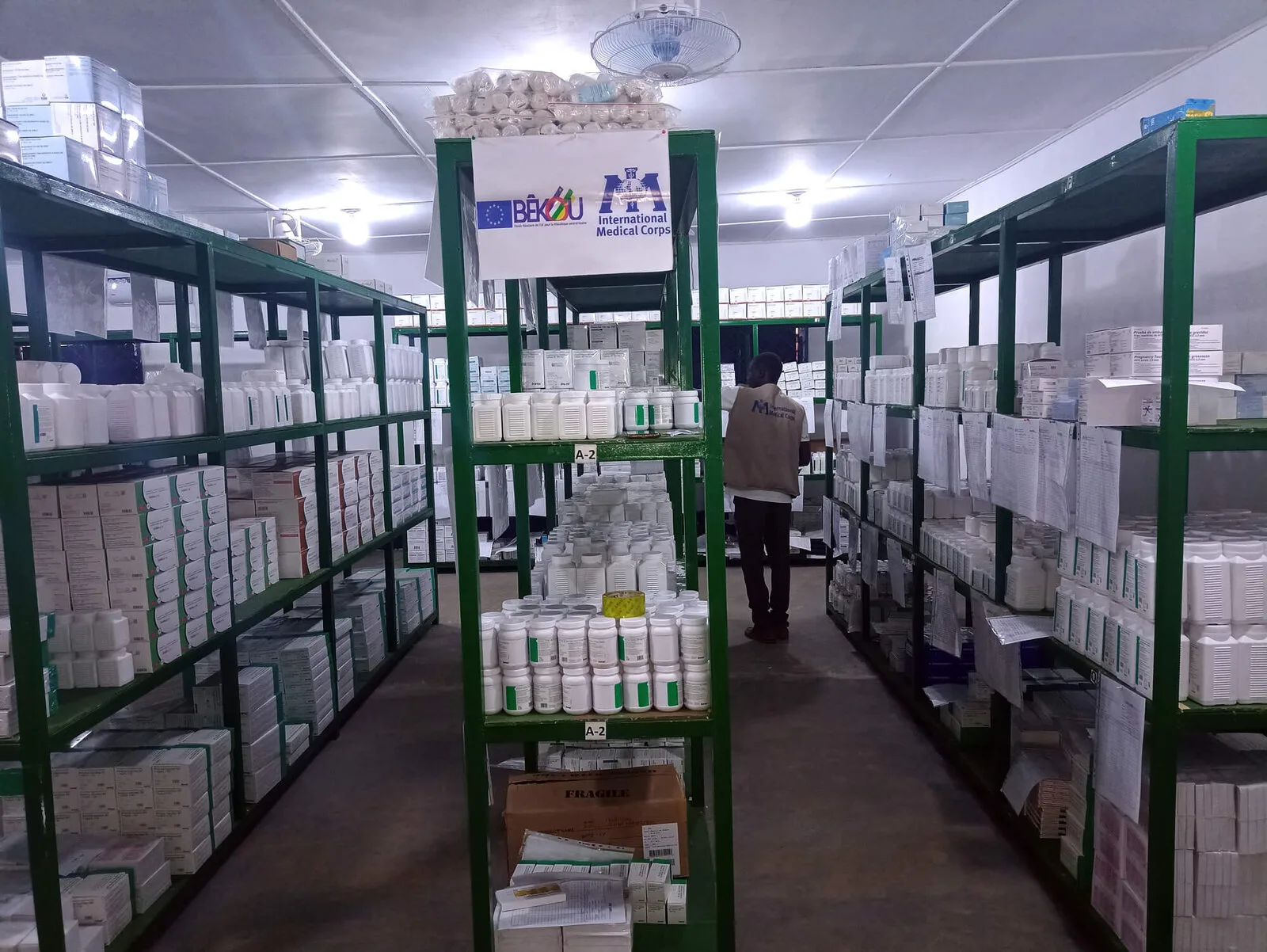
Furthermore, reliable supply chains are essential for sustained clinical operations. Procurement teams often evaluate the reputation of distributors based on their ability to provide consistent access to essential tools and their commitment to ongoing after-sales communication. Ensuring that there is a clear communication channel between the distributor and the hospital allows for rapid troubleshooting and effective management of clinical resources throughout the lifespan of the medical technology.