Why clinical training determines the success of new device adoption
By Azmed Devices Editorial Team
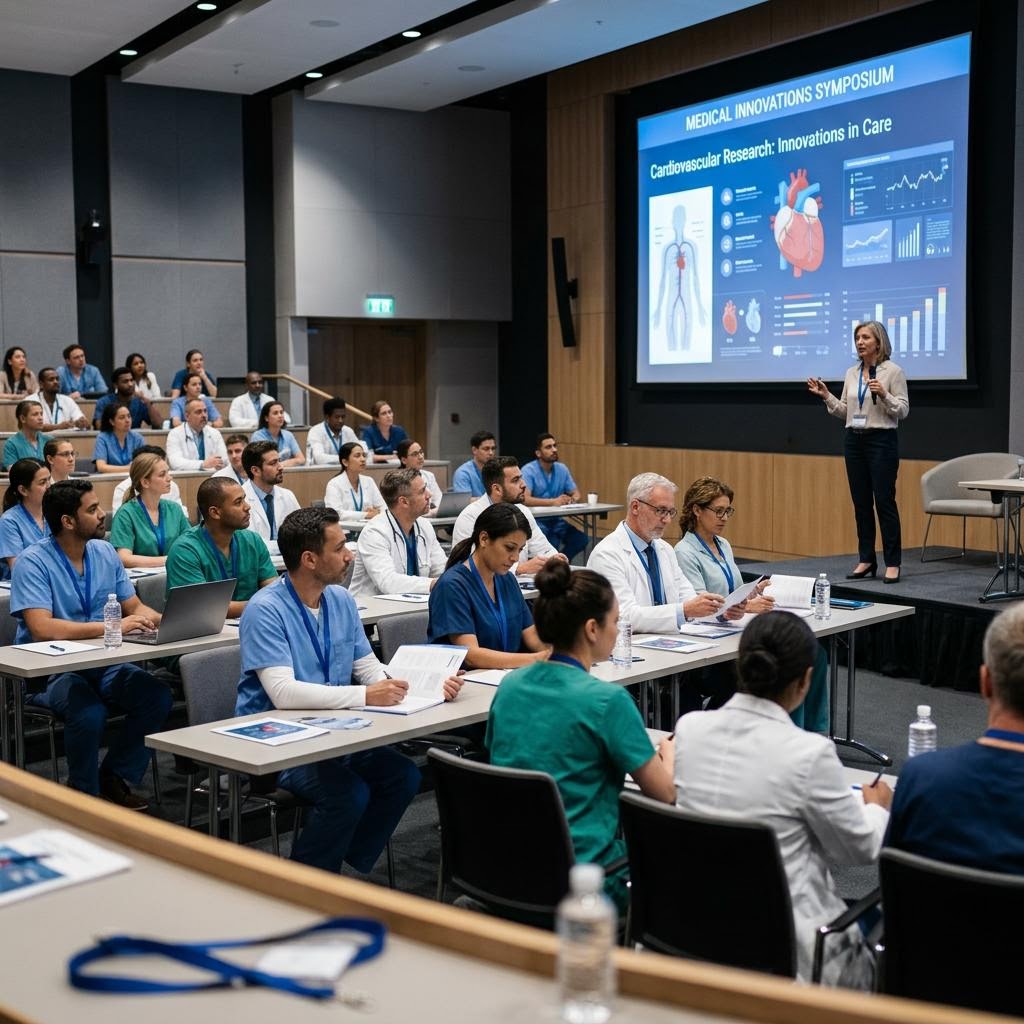
Effective clinical training serves as the bridge between acquiring advanced medical technology and achieving optimal patient outcomes in modern hospital environments.
The Impact of Proficiency on Clinical Workflow
In many health systems, the procurement of sophisticated medical technology is only the initial step toward improved clinical performance. While modern devices offer enhanced features designed to improve precision, their actual utility is frequently limited by the proficiency of the staff operating them. When clinicians possess a deep, practical understanding of new equipment, they are better equipped to integrate these tools into existing workflows, thereby minimizing technical errors and maximizing the potential benefits of the technology.
Conversely, inadequate training can lead to significant operational challenges. Clinicians report that when team members lack familiarity with new interfaces or procedural requirements, efficiency often decreases. This gap in expertise not only impacts the speed of interventions but can also affect the consistency of outcomes. Consequently, prioritizing comprehensive education is recognized as a vital component of medical device adoption strategies.
Strategic Integration through Sustainable Education
Successful adoption usually involves a structured approach that moves beyond simple demonstrations. It encompasses hands-on practice, peer-to-peer knowledge sharing, and ongoing support to address real-world usage scenarios. By fostering an environment where continuous learning is expected, healthcare organizations can ensure that their teams remain adept at using the latest tools effectively. This approach generally leads to higher staff confidence and more reliable procedural execution.
To support this transition, Azmed Devices can support hospitals with documentation or training tailored to specific institutional requirements. Such partnerships facilitate a smoother integration of new equipment, helping to bridge the gap between procurement and day-to-day clinical practice. By focusing on sustainable educational models, hospitals in Azerbaijan can realize the full value of their investments while maintaining high standards of care.